6 Reasons to Look at Your Zestimate More Closely
What an Automated Model Can't See That a Local Agent Can
Published: August 2026 | Bryan Suarez, South Orange County Real Estate
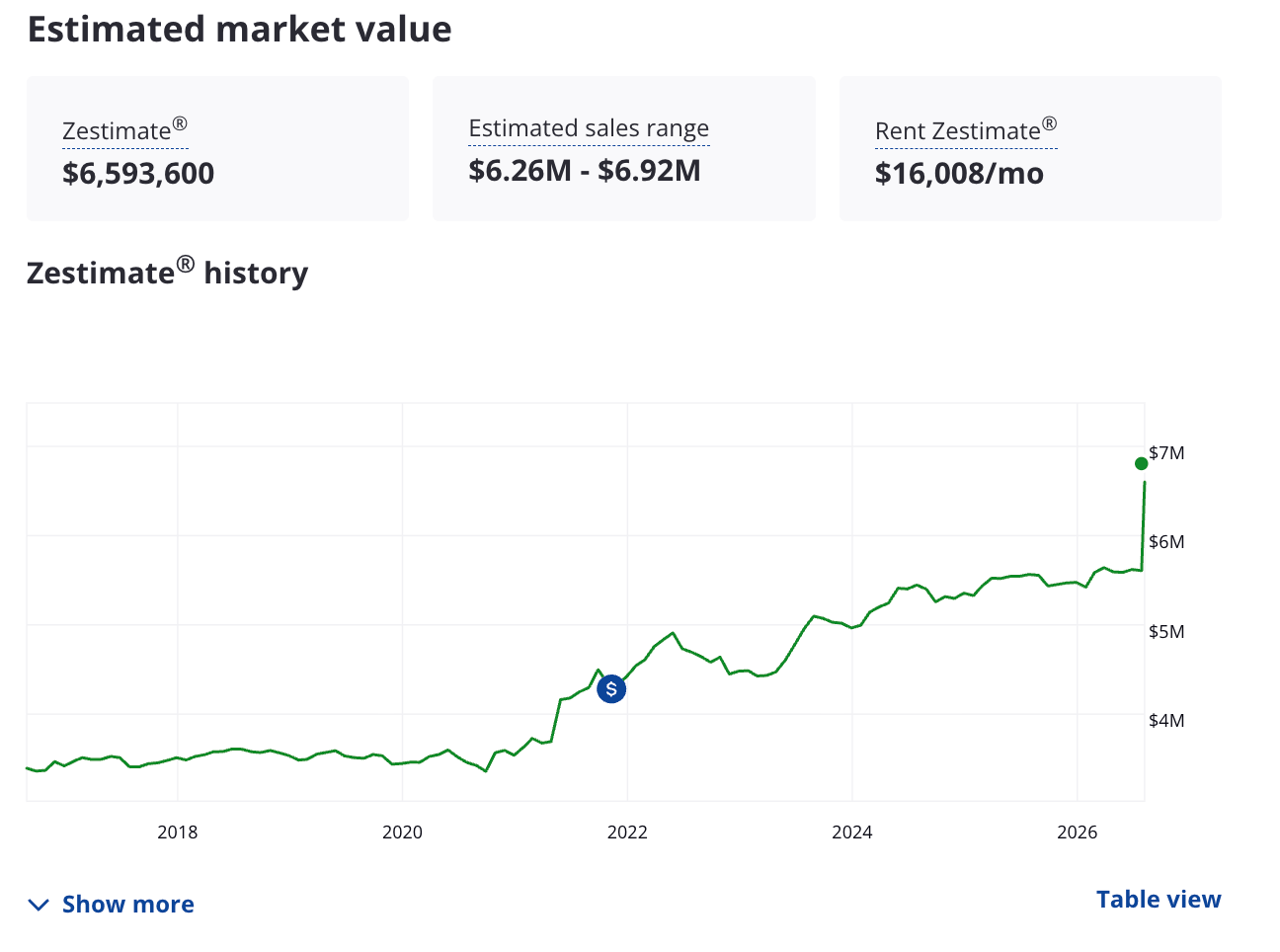
Almost every seller conversation I have starts with a number they saw on Zillow. I don't blame anyone for checking — it's the first place most people look. But a Zestimate is a computer's best guess based on public data, and in a market as varied as South Orange County, that guess misses more than most people realize.
Zillow's own data shows the median error rate for homes not currently listed is about 7.5%, more than triple the ~1.9% error rate for homes that are actively on the market. On a $1.2 million South OC home, a 7.5% miss is $90,000 — enough to price you out of buyers or leave real money on the table.
Key Takeaways
- Zillow's own accuracy data shows a median error of about 7.5% for off-market homes — more than triple the error rate for homes actively listed for sale.
- Automated models can't see interior condition, renovation quality, or how a home actually shows.
- They routinely miss carrying-cost differences like HOA dues and Mello-Roos that can separate two similar-looking homes by hundreds a month.
- Master-planned communities with wide price tiers (55+ sections vs. family sections) are especially hard for a blanket algorithm to model accurately.
- A model has no way to know about a pending special assessment, a school boundary line, or a view premium unless a human tells it.
Reason #1: It Can't See Condition or Renovation Quality
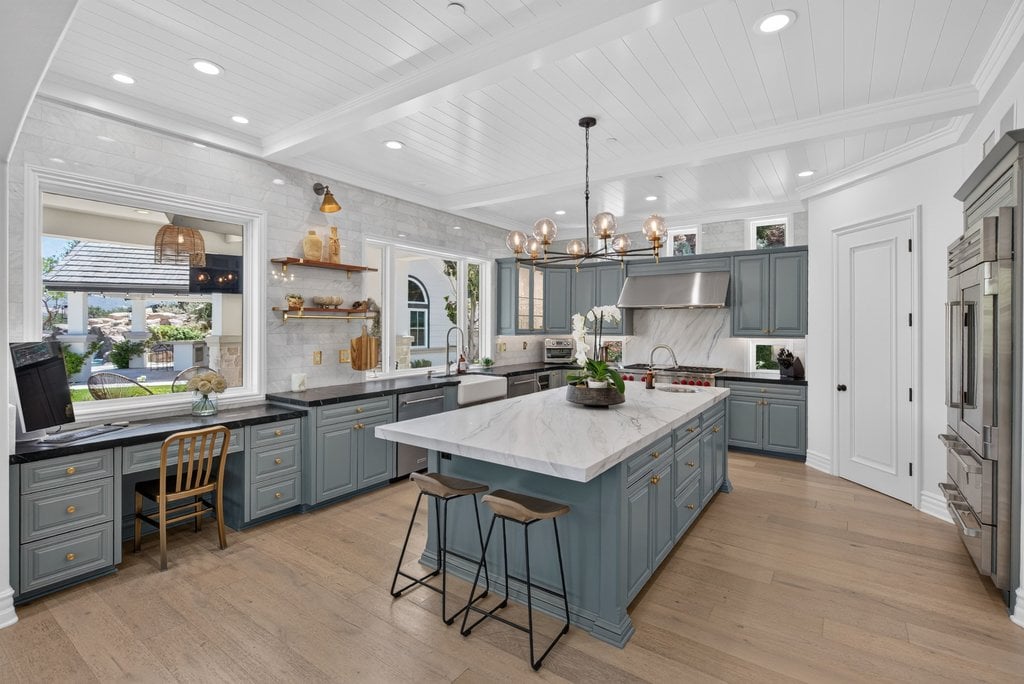
Two homes on the same street, same square footage, same year built, can be worth six figures apart once you factor in a gutted kitchen versus one that hasn't been touched since 1998. Zillow's model works off public records and comparable sales — it has no way to know which home behind those numbers has been renovated and which hasn't.
Reason #2: It Doesn't Account for HOA and Mello-Roos Cost Differences
Two nearly identical homes in South OC can carry very different monthly costs depending on HOA dues and whether the community has a Mello-Roos bond attached. A buyer's real affordability — and therefore what they're willing to pay — shifts based on those numbers, but an automated valuation model doesn't factor total carrying cost into its estimate the way a buyer actually does.
Reason #3: Master-Planned Communities Have Wider Price Spreads Than Algorithms Expect
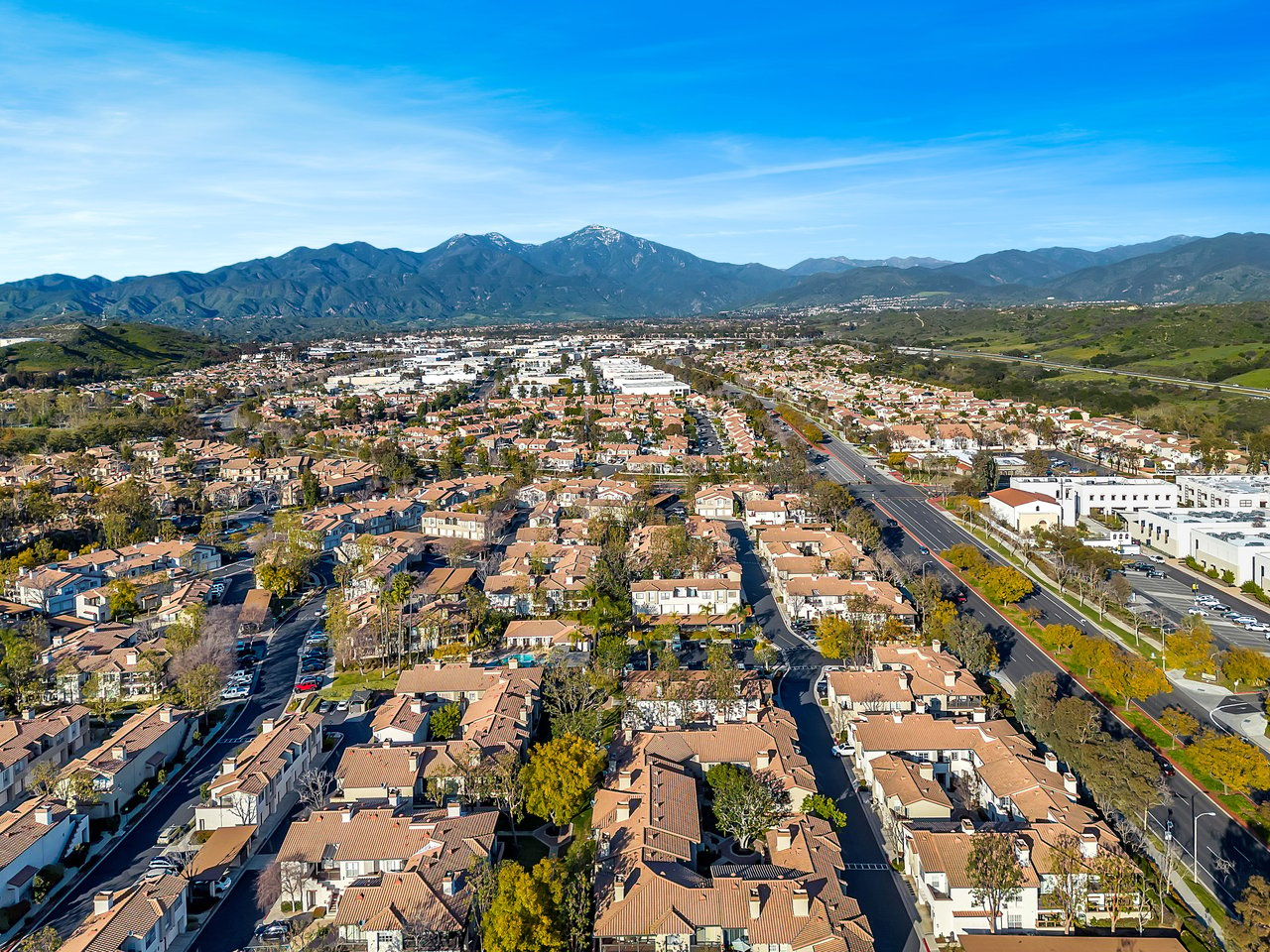
Cities like Mission Viejo and Rancho Santa Margarita have everything from gated 55+ condos in the high $600Ks to custom hillside homes well above $1.7 million, often within the same zip code. A model trained on broad averages tends to regress unusual homes — both higher and lower — toward the middle, which is exactly backward from what a knowledgeable buyer would pay.
Reason #4: It Can't See School Boundary Lines
We recently covered how Mission Viejo is split between two school districts, with the boundary running through the middle of the city. Buyers pay real premiums for a specific school assignment, and two homes a few streets apart can carry very different values because of it — a distinction a model working off zip-code-level data simply can't make.
Reason #5: It Doesn't Know About Pending Special Assessments
An HOA with a large, unfunded reserve gap or a special assessment already on the table can change a buyer's real cost of ownership significantly, but that information lives in HOA documents, not public records. A Zestimate has no visibility into it at all.
Reason #6: It Can't Weigh a View, a Lot, or a Location Premium
A hillside lot with an unobstructed sunset view, a corner lot, or proximity to Lake Mission Viejo can add real value that a square-footage-and-comps model doesn't fully capture. These premiums are exactly the kind of thing a local agent prices from direct showing experience, not a formula.
My Honest Take
I don't think Zillow is trying to mislead anyone — for a rough, at-a-glance number, a Zestimate is a reasonable starting point. The problem is when it becomes the number a seller anchors to, or the number a buyer assumes is the ceiling. A real comparative market analysis, built from actual comps I've walked through and actual local cost factors, is going to be closer every time. If you want to know what your home is actually worth, that's a conversation, not a website.
Frequently Asked Questions
Is Zillow's Zestimate ever accurate?
For homes actively listed for sale, Zillow's own data shows a median error of under 2%, largely because the Zestimate adjusts toward the actual list price once a home hits the market. For off-market homes, the median error is closer to 7.5%.
Why would two similar South OC homes have very different Zestimates?
Differences in HOA dues, Mello-Roos, school boundaries, renovation quality, and lot premiums can all separate two similar-looking homes in value — factors an automated model can't fully account for.
Should I ignore my Zestimate completely?
Not necessarily — it's a reasonable starting point for a ballpark figure. Just don't treat it as a final answer when you're actually pricing a home to sell or deciding what to offer.
What's more accurate than a Zestimate?
A comparative market analysis from a local agent who has physically seen the comps, knows the HOA and cost details, and understands the specific neighborhood's price tiers.
If you want a real number instead of an algorithm's guess, I'm happy to walk your home and put together an honest comparative market analysis — no pressure, just an accurate picture of where you actually stand.
—Bryan