Best Time to Sell a House in California (Southern CA Guide)
The question comes up in almost every seller conversation: When should I list?
There's a real answer — and a more important one underneath it. Here's both.
The Short Answer: Spring Leads, But It's Not the Whole Story
If you're looking for a rule of thumb, the California Association of Realtors and national housing data consistently point to the same window: late March through May tends to produce the most buyer activity, the fastest sales, and — in most markets — the highest prices relative to list.
The reasons are predictable: tax refund season adds purchasing power to buyer pools; families with school-age children want to close before summer; longer daylight hours make properties show better, and more buyers are actively searching.
In Southern California specifically, the spring market often starts earlier — sometimes as early as February — because the weather doesn't create the same seasonal friction it does in the Midwest or Northeast.
Month-by-Month Breakdown: Southern California
January–February: Slow start, but motivated buyers. Inventory is low, which means less competition if you list. Buyers shopping in January are serious — fewer tire-kickers.
March–May: Peak season. Buyer demand is highest, open house traffic is up, and multiple-offer situations are most likely. If your property is well-prepared, this is when you maximize exposure.
June–July: Still active, but the window is narrowing. Families who wanted to close before school starts are making their final decisions.
August: Transition month. Buyer pool narrows. Properties that haven't sold often see price adjustments.
September–October: A secondary market emerges — serious buyers are back after the summer break. Inventory often drops in September, which works in your favor if you're listing.
November–December: Fewer buyers, but fewer sellers too — and the buyers who are active in December are motivated. Some sellers do very well listing in late November specifically because competition is at a seasonal low.
What Actually Matters More Than Timing
Here's the part most articles skip: the condition and pricing of your home will outperform any calendar advantage.
A well-priced, well-prepared home listed in November will outperform an overpriced, poorly presented home listed in April. Every time.
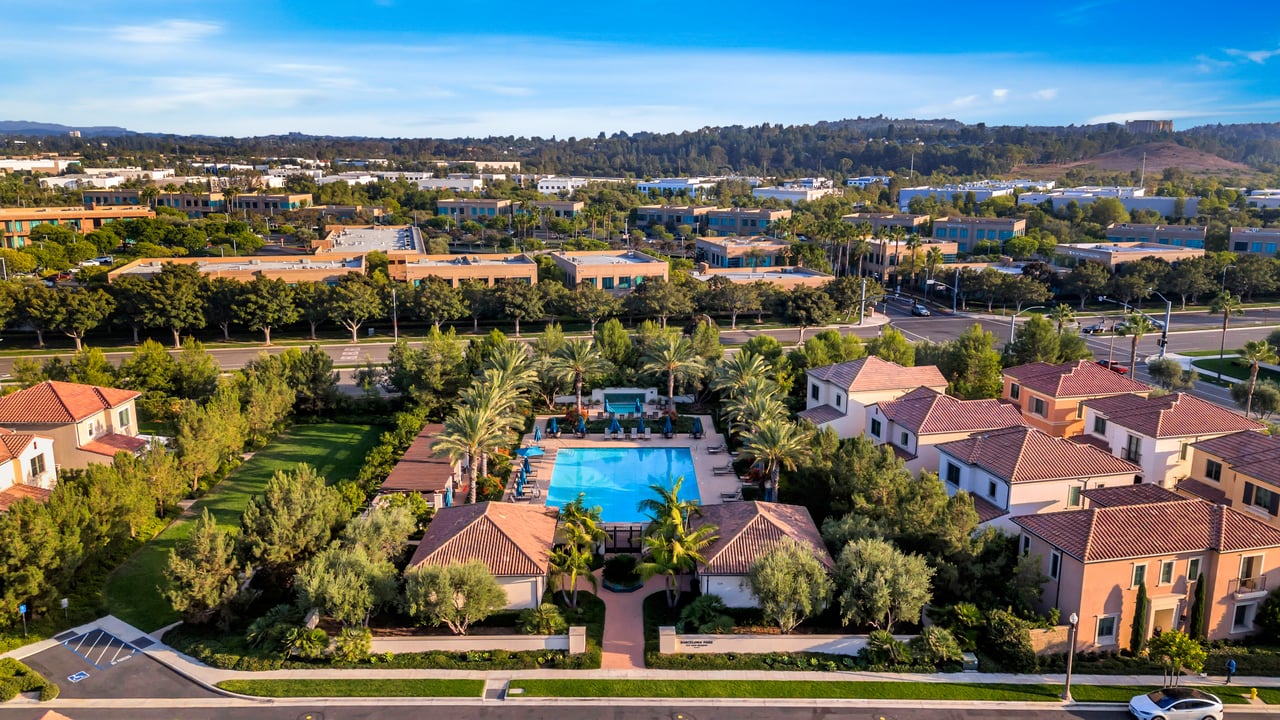
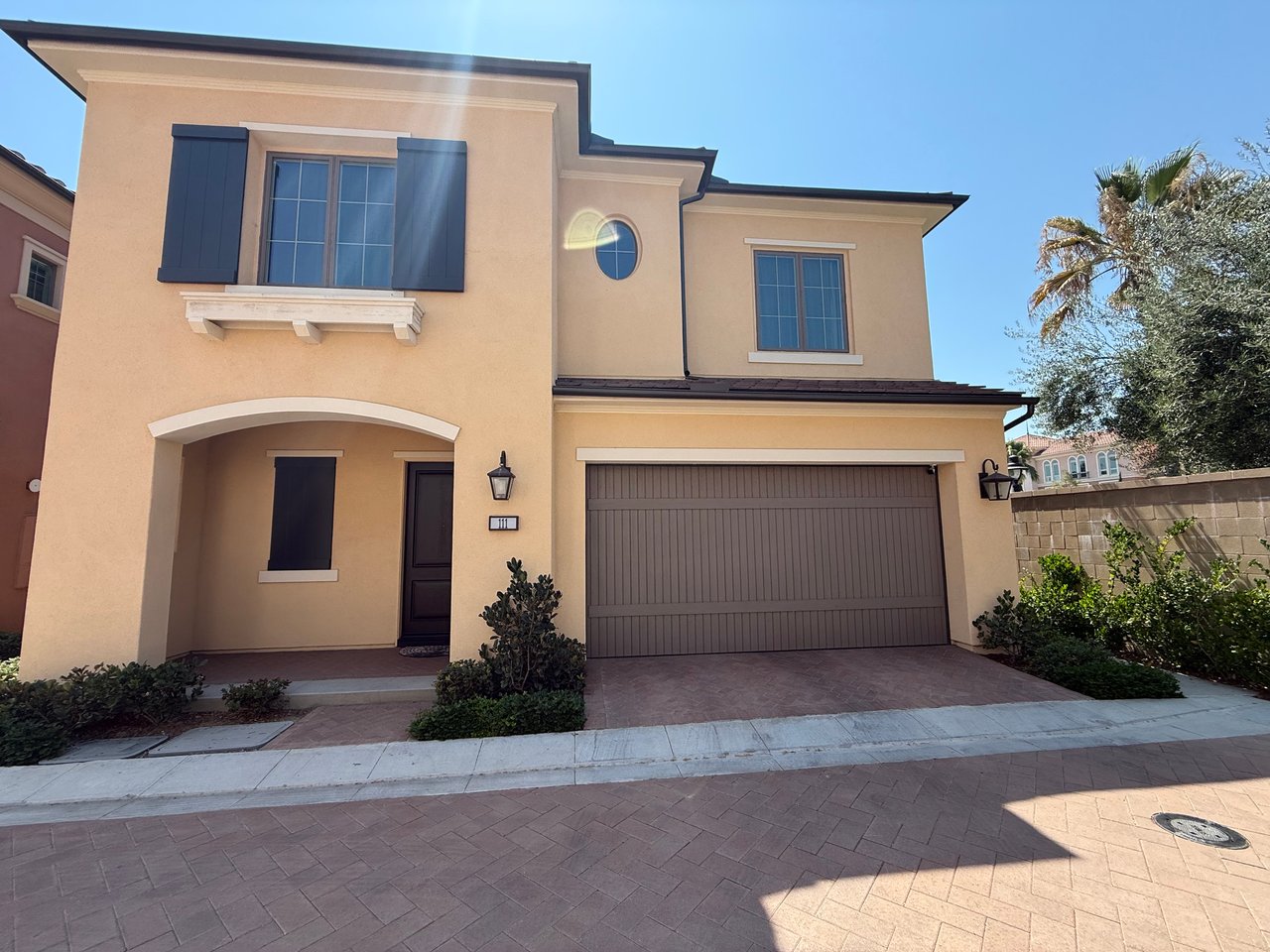
1. Your specific micro-market. Southern California isn't one market. Orange County's coastal cities behave differently from inland communities. Irvine behaves differently from Huntington Beach. Local comp data is what actually guides pricing.
2. Inventory in your segment. Timing relative to your competition matters as much as timing relative to the season. If there are two comparable homes on the market and you'd be the third, that's different from listing alongside twelve.
3. Your home's presentation. Properties staged, photographed well, and priced correctly from day one sell faster and for more — regardless of month.
4. Interest rate environment. The rate environment at the time you list will shape buyer behavior more than the month on the calendar.
The Southern California Market Specifically
The market is year-round. Unlike many U.S. markets, SoCal doesn't experience a true off-season. January can still be productive if your pricing and marketing are right.
Demand is driven by jobs and lifestyle, not just seasonality. Consistent in-migration from other states means buyers enter the market throughout the year.
Days on market matter. Southern California buyers track how long a property has been listed. Extended time on market raises questions regardless of season — which is why pricing correctly from day one is critical.
When You Should Consider Waiting
Your home needs work you haven't done yet. Selling a home that needs obvious repairs is a losing proposition. Buyers discount heavily and your negotiating position is weak.
You're in a sellers' market with rising prices. If appreciation is running hot and you don't need to sell, waiting can genuinely pay off.
Major life timing conflicts with peak season. If listing in April means you're also in the middle of a job transition or family event, the optimal listing month isn't worth the personal cost.
Frequently Asked Questions
Is fall really a bad time to sell in Southern California?
No. The fall myth overstates the slowdown. September and October can be effective — inventory often drops after summer, and serious buyers are back in the market.
Should I wait for interest rates to drop before selling?
This is a bet on timing the market, which is notoriously difficult. If rates drop, more buyers enter — but so do more sellers. Your competition increases too.
How long does it typically take to sell a home in Orange County?
In a normal market, well-priced homes sell within 2–4 weeks. Longer days on market usually indicate a pricing or presentation issue, not a market timing problem.
Do I need to be fully moved out before listing?
No. Occupied, furnished homes typically show better than vacant ones. If you're buying simultaneously, we can coordinate closing timelines.
The Practical Answer
If you want to optimize for the calendar: list between late March and early May.
If you want to optimize for outcome: get the pricing right, prepare the property properly, and list when you're ready — not when you're rushing to hit a seasonal window at the cost of preparation.
The sellers I've seen leave money on the table weren't the ones who listed in October. They were the ones who listed in April before they were ready, priced too high, and had to chase the market down.
If you're thinking about selling in the next six to twelve months, the conversation worth having now is about preparation. That conversation is free.