5 Signs Your South OC Home Insurance Might Not Renew
What Insurers Are Actually Looking At in Today's California Market
Published: September 2026 | Bryan Suarez, South Orange County Real Estate
California's homeowners insurance market has tightened considerably, and South Orange County's hillside and canyon-adjacent communities are far from immune. With the state's wildfire-related non-renewal moratorium having expired in January 2026, more insurers are re-evaluating policies using tools most homeowners have never heard of. Here's what's actually driving today's non-renewal notices.
Key Takeaways
- Homes in or near a designated high or very-high fire hazard severity zone face significantly more underwriting scrutiny.
- Insurers increasingly use satellite and aerial imagery to flag roof condition, vegetation, and defensible space — sometimes without ever sending an inspector to your door.
- Even minor prior claims can trigger a non-renewal in today's tighter underwriting environment.
- Distance to the nearest fire station and brush clearance around the home are both factored into risk models.
- Some insurers are broadly reducing their exposure in specific zip codes, unrelated to any individual homeowner's actions.
Sign #1: Your Home Is in a High or Very-High Fire Hazard Severity Zone
Cal Fire maintains official Fire Hazard Severity Zone maps, and homes in areas classified as high or very-high face substantially more scrutiny at renewal time. Parts of South OC's hillside communities — sections of Coto de Caza, Trabuco Canyon, and areas bordering open space — fall into these zones. You can check your specific address on Cal Fire's public mapping tool to understand your classification.
Sign #2: Satellite or Aerial Imagery Flags Your Roof or Landscaping
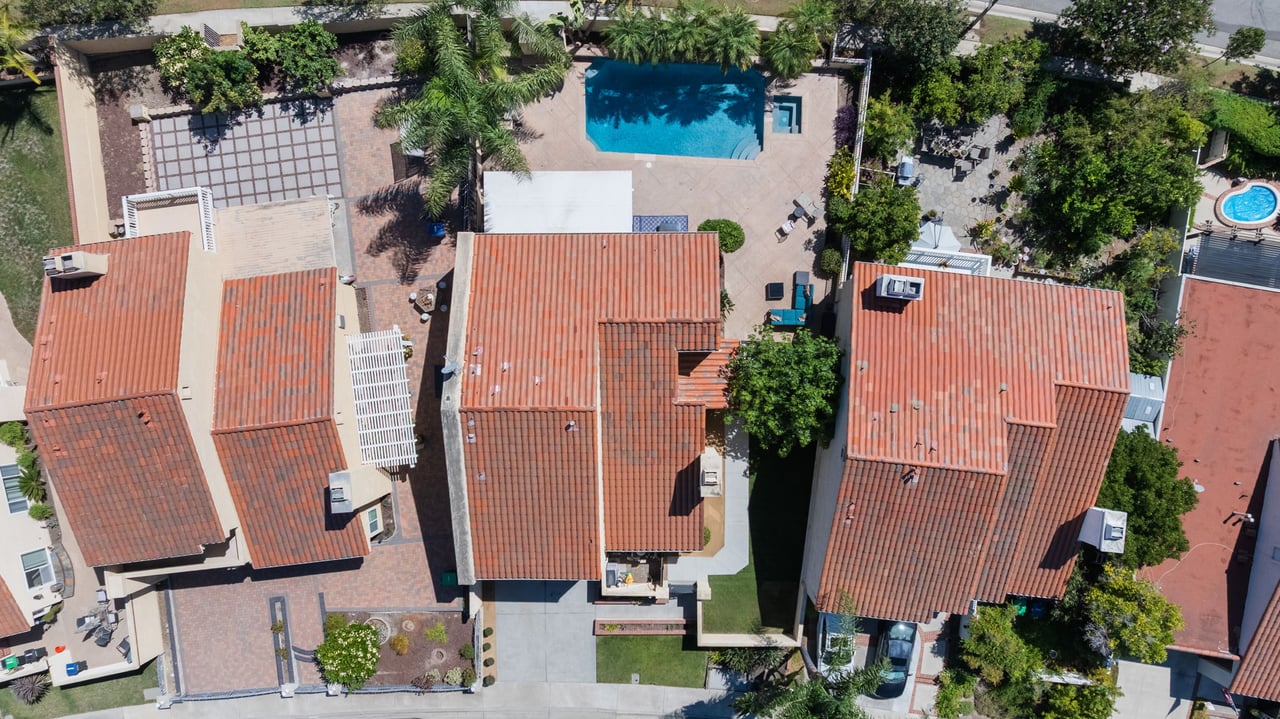
Many insurers now use satellite and aerial imagery, not just past claims history, to evaluate roof condition, overhanging vegetation, and defensible space around a home — sometimes triggering a non-renewal notice before a homeowner has any idea their roof or landscaping was even flagged. Keeping vegetation cleared and addressing visible roof wear proactively can meaningfully reduce this risk.
Sign #3: You've Filed Even a Minor Claim Recently
In today's tighter underwriting environment, even a relatively small prior claim — a minor water damage claim or a small roof repair — can be enough to trigger a non-renewal at your next policy period. It's worth weighing whether a small claim is truly worth filing versus paying out of pocket, given the potential downstream effect on your coverage.
Sign #4: Your Home Is Far From a Fire Station or Has Limited Brush Clearance
Response time and defensible space both factor into wildfire risk models. Homes farther from a fire station, or with limited cleared space around the structure, are scored differently than homes with quick access and well-maintained clearance — regardless of how well-built the home itself is.
Sign #5: Your Insurer Is Reducing Exposure in Your Zip Code
Sometimes non-renewal has nothing to do with your specific home at all — some insurers are pulling back broadly in certain California zip codes to manage their overall wildfire exposure. If your neighbors are receiving similar notices around the same time, this is likely what's happening, and it may be worth shopping your policy proactively rather than waiting for a notice.
My Honest Take
This is one of the more frustrating parts of owning a home in California right now, because some of these factors are entirely outside a homeowner's control. What is in your control — roof maintenance, defensible space, and shopping your policy before a notice arrives rather than after — is worth doing proactively, especially if you're in one of South OC's hillside or canyon-adjacent communities.
Frequently Asked Questions
How do I know if my home is in a fire hazard severity zone?
Cal Fire maintains a public mapping tool where you can check your specific address's classification.
Can satellite imagery really trigger a non-renewal?
Yes — many insurers now use aerial and satellite imagery to assess roof condition and vegetation, sometimes independent of an in-person inspection.
Should I avoid filing small insurance claims?
It's worth weighing the cost of a small repair against the potential impact on your policy's renewal, especially in today's tighter underwriting environment.
What is the California FAIR Plan and when would I need it?
The FAIR Plan is California's insurer of last resort for homeowners who can't secure standard coverage. It's worth understanding as a backup option if a standard non-renewal occurs.
If you're navigating an insurance non-renewal or want a proactive read on your home's risk profile before it becomes a problem, I'm happy to point you toward resources and professionals who can help.
Questions about your situation? Call or text me at (949) 522-7502, email [email protected], or book a 15-minute call.
—Bryan