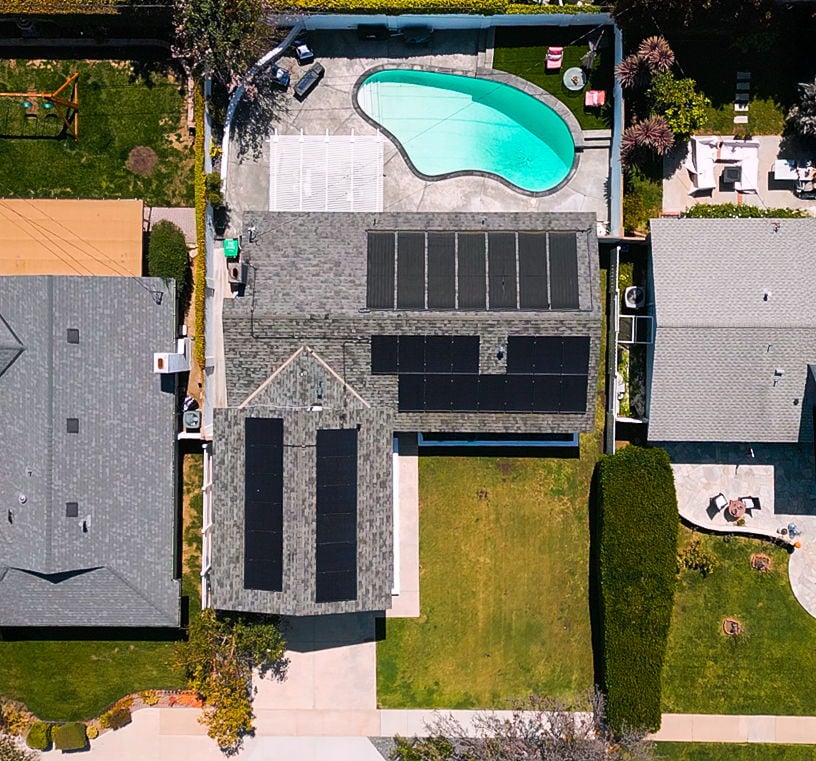
Solar is everywhere in South Orange County now — and most of the time it's a genuine selling point. But every year I run into at least one transaction where a leased solar system (as opposed to one the seller owns outright) turns into a last-minute scramble that nearly derails the timeline. It's almost always avoidable, and it's almost always a surprise, because nobody flagged it early enough.
Here's how solar leases and power purchase agreements (PPAs) actually work when a home changes hands, and what both buyers and sellers should be doing well before you're staring down a closing date.
Key Takeaways
- Owned solar systems transfer with the home like any other fixture. Leased systems and PPAs are a completely different situation — they're a financial contract that has to be formally assumed, bought out, or resolved before closing.
- Most solar leases and PPAs are transferable, but the buyer has to qualify — solar companies typically run a credit check (often requiring a 650–680 minimum score) and charge an assumption fee, generally $0 to $250.
- The transfer process typically takes 30 to 60 days and involves the solar company, your lender, escrow, and sometimes a title company — start it the moment you're in contract, not the week before closing.
- FHA and VA loans often can't accommodate solar lease assumptions at all, because the lease payment affects the buyer's debt-to-income ratio and many older leases lack the foreclosure-termination language FHA requires.
- Homes with leased or PPA solar have been shown to sit on market roughly 13% longer and receive about 8% fewer offers than comparable homes without that complication — which is exactly why getting ahead of it matters.
Owned vs. Leased: Why the Distinction Matters So Much
If a seller owns their solar system outright — paid cash or financed it through a loan that's already paid off or gets paid off at closing — it's simple. It transfers with the house like any fixture, no different than a water heater or a built-in appliance.
A leased system or a PPA is a completely different animal. In both cases, the seller doesn't own the panels — a third-party solar company does, and the homeowner is essentially paying to use the electricity the system generates, either through a fixed lease payment or a per-kilowatt-hour PPA rate. When the home sells, that contract doesn't just disappear. It has to be dealt with, one way or another, before the deal can close cleanly.
Option One: The Buyer Assumes the Lease or PPA
In most cases, solar leases and PPAs are assumable — and often this is actually a selling point, since many locked-in PPA rates are below current utility pricing. But assumption isn't automatic. The buyer needs to be both willing and able to take over the payments, and two separate approvals are required:
- The solar company runs a credit check on the buyer, typically requiring a minimum credit score in the 650–680 range, and charges an assumption fee generally between $0 and $250.
- The buyer's lender needs to factor the lease or PPA payment into the buyer's debt-to-income ratio, which can affect how much home they qualify for.
The full transfer process typically takes 30 to 60 days and involves coordination between the solar company, the escrow officer, and sometimes a title company. That timeline is the whole reason this needs to start the moment you're in contract — not during the final week of escrow, when there's no runway left to fix a snag.
Option Two: The Seller Buys Out the System Before Closing
If the buyer doesn't want to assume the lease — or doesn't qualify — most agreements include a buyout option, where the seller pays off the remaining contract value before closing so the system transfers to the buyer already owned free and clear. Buyout amounts in California commonly range from $8,000 to $30,000, depending on how much time is left on the lease and the present-value calculation baked into the original contract.
This is obviously a real cost, and it's one sellers are sometimes blindsided by if they assumed the buyer would simply take over the lease without issue. If you're a seller with a leased solar system and you're thinking about listing in the next year or two, it's worth getting your buyout figure from the solar company now, so it's a known number rather than a last-minute negotiation point.
Why FHA and VA Buyers Often Can't Assume a Lease
This is one of the more painful surprises in these transactions. FHA and VA loans frequently cannot accommodate solar lease assumptions, for two reasons: the lease payment counts against the buyer's debt-to-income ratio in a way that can push a marginal file out of qualifying range, and many pre-2023 lease agreements lack the specific foreclosure-termination language FHA requires in order to approve the loan at all.
If you're selling to a buyer using FHA or VA financing and your solar is leased, this is a conversation to have immediately — not after their loan is already in underwriting. It may mean the buyout path is the only realistic option for that specific buyer, even if a conventional buyer down the road might have assumed the lease without issue.
What This Means for Buyers Touring Homes With Solar
If you're house hunting and a listing mentions solar, ask the question early: owned, leased, or PPA? If it's leased or a PPA, ask for the actual contract, not just a summary — you want to see the remaining term, the payment structure, whether it's transferable, and what the buyout figure would be if you decided not to assume it. This is exactly the kind of document-level due diligence I cover more broadly in my guide to escrow and home inspections for South OC buyers — solar contracts belong on that same document checklist.
And if you're comparing a home with leased solar against otherwise similar properties, factor the lease payment into your true monthly cost the same way you would an HOA fee — it's a real, ongoing obligation, even though it doesn't show up on your mortgage statement. My top tips for homebuyers post covers a lot of this same "look past the surface" due diligence mindset.
What This Means for Sellers
If you have leased solar and you're planning to sell in the next year or two, don't wait until you have an accepted offer to figure this out. Contact your solar company now, get your current buyout figure, understand your contract's transferability terms, and be ready to have that conversation with your agent before your home ever hits the market. What sellers need to know about escrow and home inspections covers a lot of the same "get ahead of it before listing" philosophy that applies directly here.
Frequently Asked Questions
Do leased solar panels transfer automatically when I sell my home?
No. Unlike an owned system, a leased system or PPA is a separate financial contract that requires either buyer assumption (with credit approval) or a seller buyout before the sale can close cleanly.
Can any buyer assume a solar lease?
Only if they meet the solar company's credit requirements (typically a 650-680 minimum score) and their lender factors the payment into loan qualification without issue. FHA and VA buyers often cannot assume solar leases due to underwriting restrictions.
How much does it cost to buy out a solar lease before selling?
Buyout amounts in California commonly range from $8,000 to $30,000, depending on the remaining lease term and the present-value calculation in the original contract.
Does leased solar hurt a home's marketability?
It can. Homes with leased or PPA solar have been shown to sit on market roughly 13% longer and receive about 8% fewer offers than comparable homes without that complication — which is exactly why addressing it proactively, rather than reactively, matters.
How long does a solar lease transfer take?
Typically 30 to 60 days, involving the solar company, escrow, your lender, and sometimes a title company. Start the process the moment you're in contract to avoid it becoming a closing-week emergency.
Whether you're buying a home with solar already installed or selling one with a lease still on the books, I'd rather walk through this with you in the first conversation than have it show up as a surprise three weeks before closing. Reach out and let's get ahead of it.
—Bryan