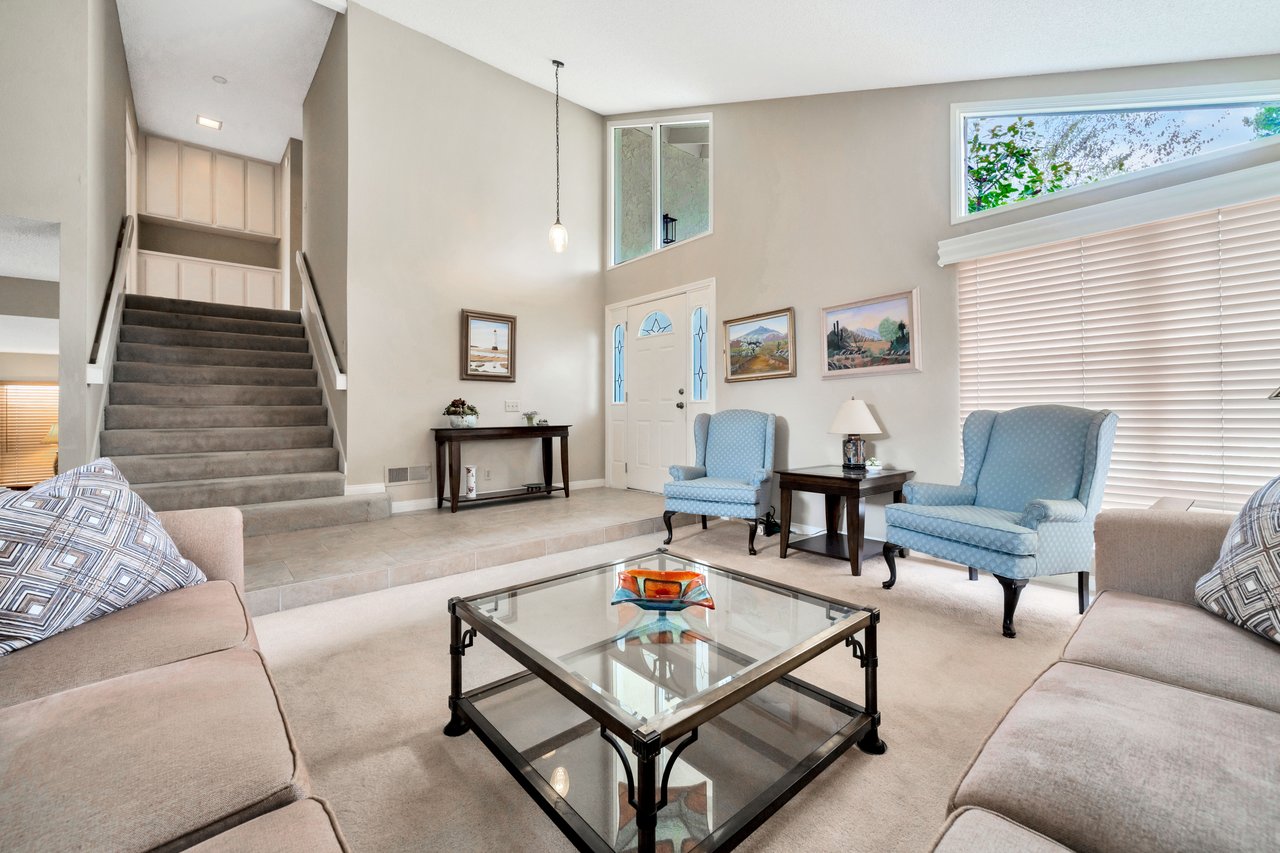
Some of the most meaningful work I do isn't with buyers chasing their dream home — it's helping a family sell a parent's house after they've passed. It's rarely simple emotionally, and it's often more complicated logistically than people expect. If you've recently inherited a South Orange County home, or you're helping settle an estate that includes one, here's what I walk every family through.
Key Takeaways
- You generally can't close a sale until an executor or personal representative has been formally appointed by the probate court — but California's Independent Administration option can significantly speed up the process once that happens.
- Full probate in California commonly takes 9 to 18 months, though a simplified process may be available for qualifying estates under the state's $750,000 threshold.
- The step-up in basis resets the home's tax value to its fair market value at the date of death — meaning heirs typically owe capital gains tax only on appreciation that happens after they inherit, not the decades of appreciation before.
- If you're the surviving spouse and the home was community property, both halves of the home receive a full step-up in basis, not just the deceased spouse's half — a significant advantage compared to most other states.
- If an heir wants to move in and keep the parent's low Prop 13 tax base, Prop 19 requires that move within 12 months of the date of death — miss that window and the property fully reassesses to current market value.
The Legal Process, in Plain Terms
Before a probate home can be listed and sold, someone needs formal legal authority to act on the estate's behalf. That means either an executor named in a will, or a court-appointed administrator if there's no will. Once that person is appointed, they generally need the probate court's authority to sell — but how much court involvement is required depends heavily on how the estate is being administered.
If your probate attorney requests Independent Administration under California's Independent Administration of Estates Act (IAEA), you can often list and sell the home without going back to the judge for approval at every single step — a meaningfully faster path than full court supervision, where every offer may require a court confirmation hearing. This is one of the first things to ask your probate attorney about if timeline matters to your family.
For smaller estates, California also offers a simplified process for qualifying properties under a $750,000 threshold, which can bypass a chunk of full probate entirely. Whether your situation qualifies depends on the estate's overall value and structure — this is squarely a conversation for your probate attorney, not your real estate agent, but it's worth raising early since it changes your realistic timeline dramatically.
How Long Does This Actually Take?
Full probate in California commonly runs 9 to 18 months in many counties, particularly when the court calendar is backed up or there are complications — creditor claims, disputes among heirs, or an estate with complex assets. The initial petition typically takes 6 to 8 weeks just to reach a first hearing, and there's a mandatory four-month creditor claim period built into the process regardless of how straightforward the estate is.
That said, timelines vary meaningfully by whether you're operating under full court supervision or Independent Administration, and by how organized the estate's paperwork is from the start. This is exactly why getting a probate attorney involved immediately — not after you've already started fielding offers — matters so much.
The Step-Up in Basis: The Most Valuable Tax Break Most Heirs Don't Fully Understand
Here's the piece of good news in all of this. When you inherit a home, your tax basis in that property isn't what the original owner paid for it decades ago — it "steps up" to the home's fair market value on the date of death. That means if your parents bought their Mission Viejo home in 1985 for $150,000 and it was worth $1.2 million when they passed, your basis is $1.2 million, not $150,000. If you sell shortly after for close to that value, your taxable gain is minimal or even zero, even though the home appreciated enormously over the decades your parents owned it.
This benefit is strongest the closer you sell to the date of death — every month you hold the property, any further appreciation above that stepped-up basis becomes taxable gain to you as the heir. This is one of the more common reasons families choose not to sit on an inherited home indefinitely, even when there's no financial pressure to sell quickly.
There's an additional wrinkle worth knowing if you're a surviving spouse rather than a child or other heir: California is a community property state, and when one spouse passes, both halves of a community property home receive a full step-up in basis — not just the deceased spouse's half, which is how most other states handle it. In practice, this means a surviving spouse who sells shortly after their spouse's death may owe little to no capital gains tax at all, even on a home that appreciated dramatically during the marriage. This is worth discussing alongside the primary residence capital gains exclusion, since the two provisions can work together depending on your situation.
The Prop 19 Deadline Most Families Miss
If an heir wants to move into the inherited home and keep the parent's old, low Prop 13-protected tax assessment rather than having the property reassessed at current market value, Prop 19 requires that the heir move in and file the appropriate paperwork within 12 months of the date of death. Miss that window, and the property reassesses fully — often adding $5,000 to $10,000 or more to the annual tax bill, permanently.
This deadline catches families off guard constantly, usually because nobody's thinking about property tax paperwork in the months immediately after losing a parent. If there's any chance a sibling or family member might want to move into the home rather than sell it, this is a conversation to have early — well before the 12-month window starts closing. I go through the full mechanics of this in my Prop 19 breakdown.
Selling As-Is vs. Preparing the Home for Market
Inherited homes, especially ones where a parent lived for decades, often need some combination of decluttering, repairs, or updating before they show well — but that's not always the right move for every family, especially when time, money, or emotional bandwidth is limited. Some families choose a straightforward as-is sale, sometimes even to a cash buyer, to close the estate quickly and avoid managing a renovation from a distance or during an already difficult time.
I walk every family through this decision honestly, weighing the likely return on any prep work against the timeline and stress involved. If you're trying to decide between these paths, it's worth reading my guide on selling as-is vs. renovating and my comparison of traditional sale vs. cash offer — both apply directly to inherited property decisions, not just conventional sales.
Frequently Asked Questions
Do I need to go through full probate to sell an inherited home in California?
Not always. If the estate qualifies under California's simplified process for smaller estates (currently around a $750,000 threshold) or if Independent Administration is available, you may be able to avoid or shorten full court-supervised probate. This depends on the estate's specifics and should be confirmed with a probate attorney.
What is the step-up in basis and why does it matter?
It resets your tax basis in the inherited property to its fair market value on the date of the original owner's death, rather than what they originally paid. This typically minimizes or eliminates capital gains tax on the decades of appreciation that occurred before you inherited the home.
How long do I have to sell before losing the step-up benefit?
There's no hard deadline that eliminates the step-up itself, but any appreciation that occurs after the date of death becomes taxable gain to you. The benefit is strongest the sooner you sell relative to the date of inheritance.
What is the Prop 19 deadline for heirs?
If an heir wants to move into the inherited home and preserve the parent's original Prop 13 tax assessment rather than a full reassessment, they generally need to move in and file the required paperwork within 12 months of the date of death.
Can I sell an inherited home as-is without making any repairs?
Yes. Many families choose this route, particularly when managing a renovation from a distance or during a difficult time isn't realistic. It typically affects your sale price, so it's worth weighing the numbers with your agent before deciding.
If you're navigating the sale of a family member's home in South Orange County, I understand this isn't just another transaction — and I treat it that way. Reach out whenever you're ready, even if you're still early in the probate process and just trying to understand your options.
Questions about your situation? Call or text me at (949) 522-7502, email [email protected], or book a 15-minute call.
—Bryan